
Latest Version
April 18, 2025
VECTOR LABS LIMITED
Puzzle
iOS
0
Report a Problem
More About :game
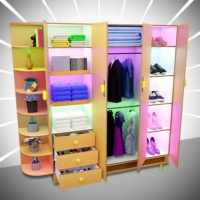
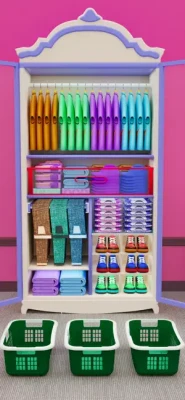
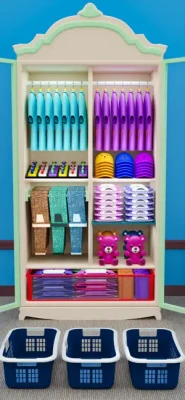
Fill the Closet Organizer is a mobile puzzle game developed by Vector Labs Limited. It combines closet organization with item-placement challenges, inviting players to turn cluttered storage spaces into neat and orderly arrangements.
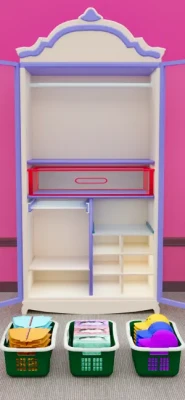
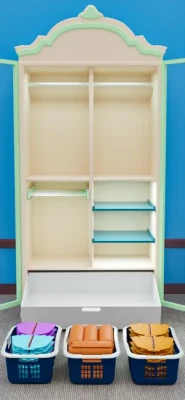
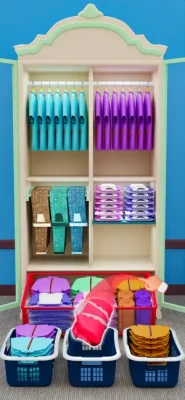
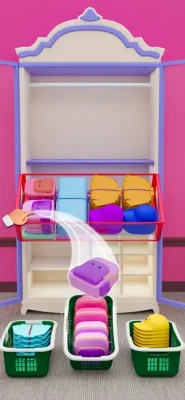
The main objective is to open a cabinet, examine the items provided, and place them inside using the available space effectively. Clothing, handbags, and other belongings must be arranged thoughtfully to create a tidy result and complete the level.
The controls are straightforward, but some arrangements require patience and careful planning. A large object may take up valuable space, while smaller items can fit into gaps that would otherwise remain unused. Learning how to position each object is essential for making progress.
The game is suitable for players who enjoy relaxing puzzle experiences, satisfying sorting tasks, and the feeling of transforming a messy space into an organized one.
Main Features of Fill the Closet Organizer
Closet Organization Puzzles
The core gameplay revolves around arranging items inside cabinets and closets. Each challenge encourages you to consider object size, shape, position, and available storage space.
Drag-and-Drop Controls
The game uses simple touch interactions. You can select an item and drag it toward a suitable position, making it easy to begin playing without learning complicated controls.
Different Items to Arrange
Players encounter a variety of belongings, including clothing, bags, outfits, and other accessories. Different shapes and sizes create new placement challenges as you work through each scene.
Space Management
Storage space is limited, so arranging items efficiently is important. Finding suitable positions and avoiding unnecessary gaps can make the difference between a neat arrangement and a cluttered cabinet.
Relaxing Gameplay
The organizing theme creates a calm alternative to fast-paced action games. You can focus on arranging objects and improving each layout at your own pace.
Multiple Organizing Scenarios
The app description mentions several organizing themes and scenarios beyond closets, including other sorting and storage activities. The exact selection may vary by game version.
Simple, Accessible Design
The straightforward controls make the game approachable for casual players. Most of the challenge comes from deciding where each object belongs rather than mastering complicated inputs.
How to Play Fill the Closet Organizer
Open the Cabinet
Begin by opening the closet or cabinet presented in the level. Take a moment to inspect the available storage space and understand the general layout.
Examine the Items
Look carefully at the objects you need to place. Notice their shapes, sizes, and orientations. A long garment requires a different approach from a small accessory or a bulky handbag.
Drag Items Into the Closet
Use the drag-and-drop controls to move each item into the cabinet. Try placing objects in positions that make practical use of the available space.
Arrange Items Neatly
Avoid placing items randomly. Consider how each object fits alongside the others and whether it blocks an area that could be useful for something else.
Check the Final Arrangement
Once you have placed the available items, review the result. If an object looks out of place or the layout seems inefficient, adjust its position if the game allows it.
Complete the Level
When the required arrangement is accepted, proceed to the next challenge. Later stages may introduce different objects, layouts, or organizing requirements.
Beginner's Guide: Getting Started
Study the Available Space First
Before moving any objects, examine the closet's shape and dimensions. Identify large areas, narrow gaps, shelves, and hanging sections that may influence your decisions.
Understanding the storage layout before you begin makes it easier to avoid unnecessary rearranging.
Start With the Largest Items
Large objects often determine how much space remains for everything else. Consider positioning bulky bags or larger garments first, then use the remaining areas for smaller belongings.
This is a useful general strategy, although the best order can depend on the particular level.
Pay Attention to Object Shapes
Two objects with similar sizes may fit differently because of their shapes. Look at their proportions and consider whether rotating or repositioning an item could help, if the game supports that interaction.
Keep Small Items in Mind
Small accessories can be easy to overlook, but they may need specific positions to complete the arrangement. Avoid filling every available gap before considering where the remaining items could go.
Make Adjustments Gradually
If an object does not fit well, try a different position instead of rebuilding the entire arrangement immediately. Small changes can reveal better placement options.
Learn From Earlier Levels
Pay attention to which arrangements work well. The experience you gain from easier stages can help you recognize useful packing patterns in later challenges.
Best Strategies for Organizing Items Efficiently
Place Bulky Items Before Small Accessories
Large items tend to determine the structure of the arrangement. By planning their positions early, you can preserve suitable spaces for smaller belongings.
For example, a large handbag may fit best in a wider section, while compact accessories can occupy smaller areas nearby. The goal is to create a layout that accommodates everything without unnecessary crowding.
Use Available Space Wisely
Look for unused sections between objects, along shelves, and around the edges of the cabinet. Small gaps may be useful for compact items, provided the game permits them to be placed there.
Do not assume that an open area is wasted space. It may be the best location for an item you have not placed yet.
Think About the Whole Closet
Avoid solving one small section without considering the rest of the cabinet. An arrangement that looks perfect in one corner may leave insufficient room for the remaining objects.
Before committing to a placement, check whether it supports the overall layout.
Avoid Blocking Useful Areas
An item placed in the wrong position can make the remaining space difficult to use. When possible, arrange objects so that they do not unnecessarily obstruct a shelf, compartment, or area needed for another item.
Keep the Layout Balanced
A tidy arrangement usually looks intentional rather than crowded. Try to group compatible items together and maintain a clear structure across the available storage space.
The precise requirements depend on the level, but a planned layout is generally easier to manage than random placement.
Reconsider Difficult Arrangements
If several items refuse to fit comfortably, step back and inspect the entire closet again. Moving one large object may create enough room to place several smaller items more effectively.
How to Fit More Items Into the Closet
Making good use of limited space is one of the main challenges in organizing games.
Identify the Most Space-Consuming Objects
Begin by identifying items that occupy the largest sections of the closet. Plan where they should go before using the remaining space for smaller belongings.
Match Objects to Suitable Sections
A wide item may fit better on a broad shelf, while a narrow item may work in a smaller compartment. Consider the shape of each storage area rather than focusing only on its size.
Use Gaps Carefully
Look for spaces that can accommodate smaller objects. However, avoid forcing an item into a gap if doing so makes the overall arrangement less practical or prevents another object from fitting.
Revisit Earlier Placements
When you reach a point where the remaining items seem impossible to place, check the objects already arranged. One or two adjustments may create a much better solution.
Avoid Filling Space Too Early
It can be tempting to occupy every open section immediately. Instead, preserve flexible areas until you have considered the full set of items.
This makes the final stage of the puzzle easier to manage.
Item Placement Tips
Clothing
Clothing may have different proportions depending on the item. Look for positions that accommodate the garment's shape while leaving enough room for the rest of the collection.
Handbags
Bags can be bulky and may occupy valuable shelf space. Consider placing them in areas that can accommodate their width and height without unnecessarily separating other items.
Accessories
Small accessories can often fit into narrower spaces. Keep them in mind when planning the layout, especially if the cabinet contains several large objects.
Mixed Collections
When a level contains different categories of belongings, think about both space efficiency and visual organization. Grouping similar objects can help you maintain a clear arrangement while making better use of the closet.
These are general placement principles; individual levels may impose their own requirements.
Common Mistakes to Avoid
Placing Items Randomly
Random placement may use up the most convenient spaces before you have considered the complete set of objects. Examine the closet and plan the larger pieces first.
Ignoring Item Dimensions
An object that looks small enough at first may occupy more space than expected. Compare its proportions with the available compartment before settling on a position.
Leaving Awkward Gaps
Some open areas are unavoidable, but large unused spaces can make the rest of the arrangement more difficult. Review the layout and consider whether another item could fit more effectively.
Forgetting About Remaining Items
Do not focus exclusively on the objects already inside the closet. Keep track of what still needs to be placed and preserve suitable space for it.
Rearranging Everything Too Quickly
If one item does not fit, you may not need to start over. Try moving the object to another position or adjusting one neighboring item first.
Using All Available Space Too Soon
Filling every gap before placing the full set of items can create unnecessary problems. Leave room for flexibility until you understand the complete arrangement.
Expecting Every Level to Work the Same Way
Different scenarios may involve different storage layouts and item combinations. Adapt your strategy instead of relying on one fixed arrangement for every stage.
How to Improve Your Organization Skills
Practice Visual Planning
Before moving an item, imagine how it will fit in the available space. This simple habit helps you compare different positions and avoid unnecessary adjustments.
Recognize Useful Patterns
As you progress, notice which types of arrangements work well. Large items may establish the structure, while smaller objects fill remaining spaces. Recognizing these patterns can make future puzzles easier.
Focus on One Decision at a Time
If the cabinet is crowded, identify the placement decision causing the most difficulty. Solve that problem first, then reassess the remaining space.
Learn From Rearranging
If moving an object improves the layout, consider why the new position works better. Understanding the reason helps you make better decisions in later levels.
Balance Neatness and Space Efficiency
A successful arrangement should make good use of the available space while maintaining a tidy appearance. Aim for a layout that is both practical and visually organized.
Is Fill the Closet Organizer Relaxing?
The game is designed around sorting, arranging, and tidying rather than fast reactions. This makes it appealing to players who enjoy calm, satisfying activities and simple spatial puzzles.
The process of turning a cluttered closet into an orderly space can provide a pleasant sense of progress. At the same time, limited storage space and awkwardly shaped items introduce enough challenge to keep the experience engaging.
It can be a good choice for short breaks, casual play, or anyone who enjoys organizing-themed mobile games.
Is Fill the Closet Organizer Free to Play?
The iOS App Store listing offers the game as a free download with in-app purchases. The listing also describes subscription options, so players should review the current purchase details shown on their device before subscribing.
Prices and available offers can change by region or version. Check the purchase screen carefully and make sure you understand any recurring billing terms before confirming a subscription.
Frequently Asked Questions
What Is Fill the Closet Organizer?
Fill the Closet Organizer is a casual mobile puzzle game in which players arrange clothing, bags, accessories, and other belongings inside a closet or cabinet.
Who Developed Fill the Closet Organizer?
The game is developed by Vector Labs Limited.
How Do You Play Fill the Closet Organizer?
Open the cabinet, examine the available items, and drag them into suitable positions. Arrange the objects carefully to use the storage space effectively and complete the level.
Is Fill the Closet Organizer Easy to Play?
The controls are simple and rely on touch-based item placement. The challenge comes from deciding how to fit different objects into the available space.
What Is the Best Strategy for Completing Levels?
Study the closet first, plan the placement of larger objects, and reserve suitable spaces for smaller items. If the arrangement becomes difficult, reconsider earlier placements instead of forcing the remaining objects into unsuitable gaps.
How Can I Fit More Items Into a Closet?
Use the available space carefully, consider each object's shape, and avoid occupying useful gaps too early. Repositioning one large item can sometimes create room for several smaller objects.
What Should I Do if an Item Does Not Fit?
Try another position and review the surrounding arrangement. If the problem continues, consider moving a nearby object or changing the order in which you place the items.
Does the Game Include Other Organizing Activities?
The App Store description mentions several organizing themes and scenarios beyond closets, including fridge-filling and other sorting activities. The exact selection may depend on the installed version.
Is Fill the Closet Organizer Suitable for Children?
The iOS listing carries an age rating of 4+. Parents should still review the current listing, advertising, and in-app purchase options to decide whether the game is suitable for their child.
Can I Play Fill the Closet Organizer Offline?
Offline availability can depend on the installed version and the features being used. If offline play is important to you, test the game without a connection and check whether any optional features require internet access.
Final Thoughts
Fill the Closet Organizer offers a simple and satisfying way to enjoy organization-themed puzzles. Its drag-and-drop controls make it easy to start playing, while the challenge of fitting different items into limited storage space encourages careful planning and creative thinking.
The best approach is to study the closet before placing objects, plan around the largest items, and keep the remaining belongings in mind throughout the level. When an arrangement becomes difficult, small adjustments can often reveal a better solution.
Whether you enjoy tidy spaces, sorting challenges, or casual games that reward patience, Fill the Closet Organizer provides a relaxing experience built around making cluttered spaces feel neat and complete.
Rate the Game
User Reviews








Popular Games



















 Android
 iOS
 Windows
 Xbox